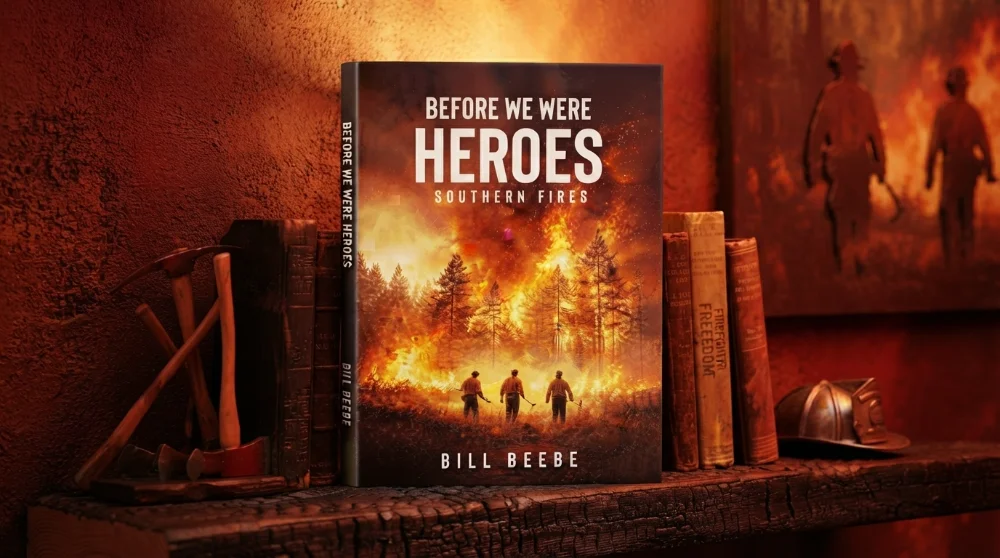
Memoirs often leave the strongest impression when they reveal experiences that are rarely seen from the inside. While many stories about firefighting focus on dramatic rescues and public recognition, Before We Were Heroes: Southern Fires takes readers in a different direction. Written by Bill Beebe, a former wildland firefighter with decades of experience, the book explores a time when firefighters were not widely celebrated and often faced challenges beyond the flames themselves.
As a work of nonfiction, memoir writing, and historical storytelling, the book offers readers a firsthand look at life on the fireline in the 1970s. More importantly, it highlights the people behind the profession and the realities of a demanding career that existed long before public appreciation became common. These qualities help make Before We Were Heroes: Southern Fires a compelling and memorable read.
A Story Rooted in Real Experience
The Value of Firsthand Perspective
One of the most powerful aspects of Before We Were Heroes: Southern Fires is its authenticity. Unlike fictional accounts that imagine life in dangerous environments, this memoir is grounded in real experiences lived by Bill Beebe throughout his career.
Having spent three decades working as a wildland firefighter and forester across the American South and Alaska, Beebe brings credibility and depth to every reflection. Readers are not simply learning about firefighting they are experiencing events through the perspective of someone who was there.
This firsthand approach strengthens the book’s place among notable true story books and real-life memoirs, giving readers confidence in the experiences being shared.
A Window Into a Different Era
Modern audiences often associate firefighters with community admiration and public gratitude. However, Before We Were Heroes: Southern Fires presents a very different reality.
The memoir takes place during a period when firefighters frequently encountered hostility, criticism, and discrimination from some of the communities they served. This historical perspective makes the book particularly interesting because it explores a side of firefighting history that many readers may not know.
By documenting this overlooked era, the memoir offers both personal insight and historical value.
The Human Stories Behind the Fireline
More Than a Book About Fire
Although wildfire is central to the narrative, the memoir is ultimately about people. The fireline serves as the backdrop for stories of resilience, teamwork, and determination.
Throughout the book, readers encounter individuals working under intense pressure while navigating unpredictable conditions. The challenges they face are not limited to the physical dangers of firefighting but also include social and emotional obstacles.
This focus on human experience gives the memoir emotional depth and broadens its appeal beyond readers interested solely in firefighting.
Brotherhood Built Through Shared Challenges
A recurring theme in Before We Were Heroes: Southern Fires is the sense of brotherhood that develops among firefighters. Facing danger together creates bonds that cannot easily be replicated elsewhere.
The memoir illustrates how trust, loyalty, and mutual support become essential tools alongside technical skills and experience. These relationships help define the story and provide some of its most meaningful moments.
For readers interested in leadership, teamwork, and personal resilience, these themes add another layer of significance to the narrative.
Why the Book Stands Out as a Memoir
Honest Rather Than Heroic
Many memoirs centered on dangerous professions emphasize triumph and recognition. What makes Before We Were Heroes: Southern Fires distinctive is its willingness to present a less glamorous reality.
Rather than focusing on hero status, the book explores what it meant to perform difficult work without widespread appreciation. This honesty gives the memoir a refreshing authenticity that separates it from more conventional narratives.
The title itself reflects this perspective, emphasizing a time before firefighters became widely viewed as heroes.
A Balance of Personal and Historical Narrative
Successful memoirs often combine individual experiences with larger historical context. Bill Beebe achieves this balance effectively by placing his personal journey within the broader story of wildland firefighting in America.
Readers gain insight into both the author's experiences and the culture surrounding the profession during that period. This combination makes the memoir valuable as both a personal account and a historical document.
For fans of historical memoirs and nonfiction literature, this balance is one of the book's greatest strengths.
Literary Analysis and Storytelling Strengths
Clear and Accessible Writing
One reason the memoir remains engaging is its straightforward storytelling style. The writing avoids unnecessary complexity and instead focuses on delivering experiences in a clear and relatable way.
This accessibility allows readers from various backgrounds to connect with the material, regardless of their familiarity with firefighting.
The narrative remains focused on lived experience, which helps maintain authenticity throughout the book.
The Power of Realistic Detail
Details play a crucial role in memoir writing, and Before We Were Heroes: Southern Fires benefits from the author's firsthand knowledge of the environments he describes.
The settings, challenges, and interactions feel genuine because they emerge from actual experience. These details help readers visualize the world of the fireline and better understand the realities of the profession.
Such realism contributes significantly to the book's effectiveness as a work of narrative nonfiction.
Themes That Extend Beyond Firefighting
While the memoir is rooted in wildland firefighting, its themes have broader relevance. Courage, perseverance, loyalty, and service are universal concepts that resonate across professions and generations.
By focusing on these themes, Bill Beebe creates a story that appeals not only to those interested in firefighting but also to readers seeking meaningful human experiences.
The Book’s Lasting Impact on Readers
Encouraging Appreciation for Unseen Work
One of the lasting effects of Before We Were Heroes: Southern Fires is its ability to encourage appreciation for work that often goes unnoticed.
The memoir reminds readers that many important contributions occur without public recognition. The firefighters portrayed in the book continued their work despite criticism and misunderstanding, demonstrating a commitment to service that transcended external validation.
This message remains relevant in today's world, where recognition often receives more attention than dedication itself.
Connecting Through Shared Human Experiences
Although most readers will never fight a wildland fire, many can relate to the challenges of perseverance, teamwork, and overcoming adversity.
The memoir succeeds because it connects specific experiences to universal emotions. Readers see individuals facing uncertainty, relying on one another, and continuing forward despite obstacles.
These human elements make the story accessible and emotionally engaging.
Preserving an Important Piece of History
Beyond its literary value, the memoir also serves as a record of a significant period in firefighting history. It captures experiences that might otherwise be forgotten and preserves them for future generations.
This historical dimension adds depth to the reading experience and reinforces the importance of personal narratives in documenting the past.
Conclusion
Before We Were Heroes: Southern Fires stands out as a compelling memoir because it combines authenticity, historical insight, and powerful human storytelling. Drawing from the real-life experiences of Bill Beebe, the book offers readers a rare look at a time when wildland firefighters performed dangerous work without the recognition they often receive today.
Its themes of resilience, brotherhood, courage, and service extend far beyond the fireline, making the memoir relevant to a wide audience. More than a story about firefighting, it is a reflection on dedication, character, and the people who continue their work even when no one is watching.
For readers seeking inspiring memoirs, nonfiction books, and true stories of perseverance, Before We Were Heroes: Southern Fires provides both an engaging narrative and a meaningful reminder that some of the most important acts of courage happen far from the spotlight.