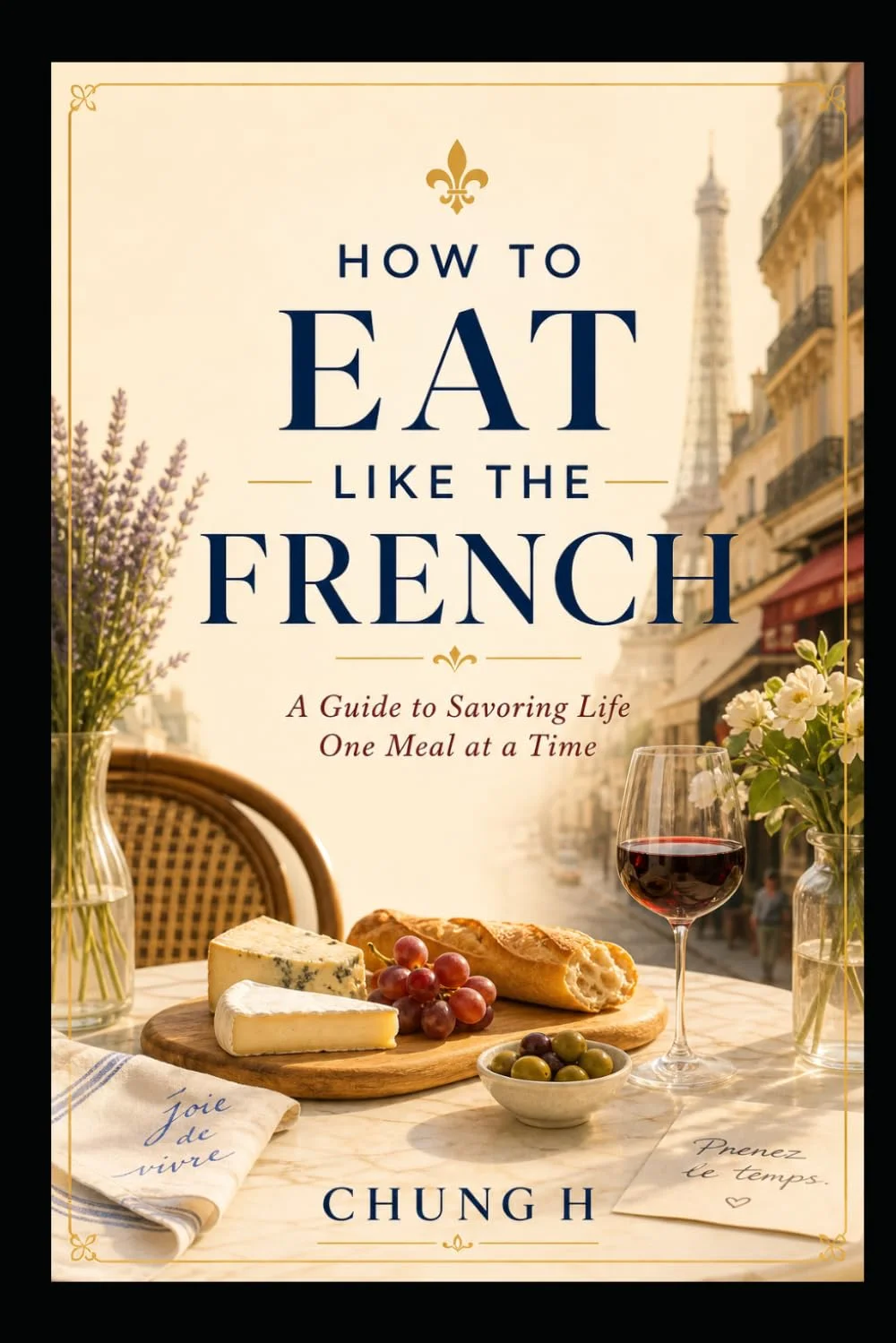
How to Eat Like the French: A Guide to Savoring Life, One Meal at a Time offers a refreshing alternative to restrictive dieting
eat real food, slow down, enjoy meals with others, and practice moderation without guilt. The book’s message aligns with several well-documented habits associated with the traditional French approach—smaller portions, longer meals, structured eating times, and mindful enjoyment.jstor+1
The French Approach to Food
The French style of eating is less about banning butter, cheese, or dessert and more about changing the experience of eating. Meals are often treated as social occasions: people sit at the table, avoid distractions, take time to taste their food, and stop when satisfied rather than stuffed.guidingstars+1
Research comparing French and American eating patterns has found that smaller portion sizes and longer eating times may help explain lower average body weight in France. This does not mean French eating habits are automatically ideal for everyone, but they highlight an important principle: how we eat can matter as much as what we eat.jstor
Why Slow, Mindful Eating Helps
Mindful eating means paying non-judgmental attention to physical hunger, fullness, flavors, and emotions while eating. Studies suggest it is associated with healthier eating behaviors and may help people become more aware of satiety cues.hal
A simple French-inspired practice is to give yourself at least 20 minutes for a meal, put away screens, and pause between bites. Eating more slowly can make meals more satisfying and may reduce the tendency to overeat before fullness registers.guidingstars
Balance, Not Deprivation
One of the book’s strongest ideas is that pleasure and health do not have to be enemies. Instead of labeling foods “good” or “bad,” the French approach emphasizes:
Quality ingredients chosen with care
Regular, structured meals rather than constant grazing
Moderate portions of rich foods
More fruits, vegetables, water, and home-cooked meals
Enjoying indulgences consciously rather than guiltfullyguidings
This can be especially helpful for people exhausted by all-or-nothing dieting. A croissant enjoyed slowly on a weekend is very different from eating distractedly, quickly, and without satisfaction.
A Note on Wine and the “French Paradox”
The so-called “French paradox”—the observation that French populations have historically had relatively low coronary heart disease rates despite diets rich in saturated fat—remains debated. Importantly, recent evidence does not support the idea that moderate alcohol consumption is protective; there is no completely risk-free level of alcohol intake.
So, while the book celebrates the cultural pleasure of sharing a glass of wine, readers should treat alcohol as optional—not as a health strategy. The more transferable lessons are slower meals, portion awareness, fresh food, and social connection.
Practical Ways to Start Today
You do not need to move to Paris to eat more like the French. Try these habits for one week:
Sit down for meals whenever possible, even for lunch.
Remove phones and TV from the table.
Use a smaller plate and serve modest portions first.
Cook one simple seasonal meal using fresh ingredients.
Make dinner social, even if it is just a 15-minute conversation with family or a friend.
Enjoy one treat mindfully, without rushing or guilt.
These habits reflect the core themes of the book: seasonal shopping, confident cooking, pleasurable dining, and balanced living.
Who This Book Is For
How to Eat Like the French is a good fit for food lovers, wellness readers, and anyone seeking a sustainable relationship with food rather than another short-term diet. Its emphasis on recipes, French culture, hosting, and mindful enjoyment makes it both a cookbook and a lifestyle guide.
If your goal is to eat with more intention, reduce mealtime stress, and rediscover the pleasure of food, this book offers an accessible starting point—one meal, one habit, and one enjoyable bite at a time.